
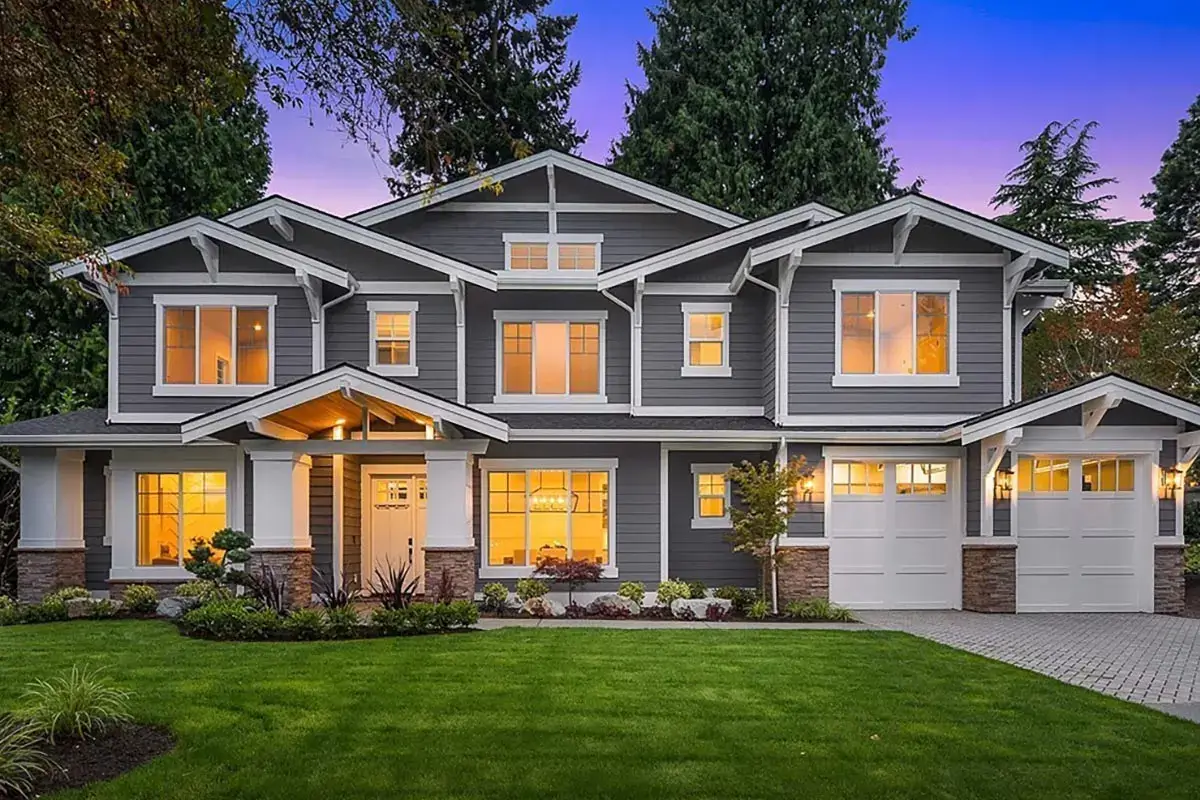
The first sign that a renovation budget is about to blow up is usually sitting right there in the permit office. A homeowner walks in expecting a simple over-the-counter pull for a bathroom remodel, and the city informs them that because their 1978 Sugar Land slab home has an existing addition without a certificate of occupancy, the whole project gets flagged for review. That single hiccup can add three weeks and $1,500–$2,000 in fees before a single tile is touched. It doesn't mean the project is doomed. It means Houston renovation is not a generic process, and anyone quoting you a national average from a home-improvement website is doing you a disservice.
Here is what the work actually costs, how long it actually takes, and what the Houston context specifically changes about the math.
What Houston's Climate and Soil Do to Your Budget
Most of the country renovates on top of relatively stable ground. Houston does not. Our expansive clay soil — the same stuff that makes Brays Bayou flood rather than absorb — moves with moisture. A wet spring followed by a brutal July (we're talking 105°F heat index, week after week) can shift a pier-and-beam foundation by a quarter inch or more between when you sign a contract and when framing starts. That is not a scare tactic. It is a reason why I've watched more than a few kitchen renovations hit pause because the floor wasn't level anymore by the time cabinet installation week arrived.
Before any general remodeling project starts in an older Heights or Montrose home, a competent contractor should walk the floor with a level, check joist spacing, and confirm that no shimming or foundation work needs to happen before finish trades come in. Skipping that step to save a week almost always costs two weeks later.
Houston's heat also affects material scheduling. Hardwood acclimation that takes 3 days in Denver can stretch to 5–7 days here during summer because the humidity differential between a jobsite and a climate-controlled room is significant. That's not padding. That's physics.
What Things Actually Cost in the Houston Market Right Now
National remodeling cost guides are built on averages that include markets where labor is cheaper and materials ship faster. Houston sits somewhere in the middle of the national labor spectrum, but material costs have held stubbornly high post-2022, and permit fees in Harris County and Fort Bend County are not trivial. Here is what we see regularly in 2026:
- Kitchen remodel (mid-range, 150–200 sq ft): $45,000–$75,000. The low end gets you new cabinets, counters, appliances, and updated lighting. The high end adds a layout change, new flooring, and a full electrical upgrade to meet current code.
- Primary bathroom remodel: $18,000–$35,000, depending heavily on whether the shower is a simple re-tile or a full gut with a new wet wall and waterproofing membrane.
- Room addition (400–600 sq ft): $110,000–$180,000. This is where Houston's slab extension requirements add real cost — the beam depth required under a new pour in our climate is not the same as what you'd see in Dallas.
- Exterior repair and renovation (roofline, fascia, siding): $12,000–$40,000 depending on scope. Post-Beryl, we saw a significant uptick in Pearland and Katy homes needing full fascia replacement from wind damage.
- Outdoor living spaces (covered patio, outdoor kitchen): $25,000–$55,000. Concrete and drainage design is the piece that gets underestimated most often on Houston lots.
Permits in unincorporated Harris County will typically run $800–$2,500 for a standard residential project. Inside city limits, expect a longer review queue and potentially a historical review surcharge if you're in certain Heights or Midtown corridors.
How Long a Houston Renovation Actually Takes
The timelines that remodeling websites publish assume materials are in stock, permits are straightforward, and trades are available. In Houston, all three of those assumptions fail with regularity.
A realistic timeline for the most common project types:
- Kitchen remodel: 8–14 weeks from permit approval to punch list. Cabinet lead times are the most common delay — custom or semi-custom cabinets from suppliers we use often run 6–8 weeks from order to delivery.
- Bathroom remodel: 4–7 weeks. Tile availability is the wildcard. If you fall in love with something that ships from overseas, add 4–6 weeks.
- Room addition: 5–8 months. Structural engineering review, foundation work, framing, mechanical rough-ins, insulation inspection, drywall, and finish work cannot be rushed without creating problems.
- Exterior and roofing work: 2–6 weeks, weather-dependent. Scheduling exterior work in Houston between June and September means accepting that a tropical system or a week of straight rain can push your start date.
The mistake I see most often is homeowners booking a move-in date or a holiday event before a project is done, then pressuring trades to cut corners to hit an artificial deadline. The cabinet installer does not set the drying schedule for your new concrete. The concrete does not care about your Thanksgiving plans.
How to Plan So the Process Doesn't Grind You Down
Planning well on a Houston renovation means accounting for the things that are genuinely unpredictable here — soil conditions, weather delays, inspection backlogs — without letting uncertainty become an excuse not to commit. A few things that actually help:
- Get a structural walkthrough before you finalize scope. If the project touches any load-bearing wall or floor system, you want an engineer's eyes on it, not just a contractor's estimate.
- Budget 10–15% contingency as a rule, not a suggestion. On projects over $60,000, that buffer gets used more often than not.
- Pull the permit before materials are ordered. Starting demo before permit approval is a common way to end up with a stop-work order and a very unhappy inspector.
- Check your HVAC load before adding square footage. Houston's cooling demand is extreme, and a 400 sq ft addition on an existing 3-ton system will either freeze the addition or starve the rest of the house.
- Ask your contractor how they handle inspection scheduling. Some trades have better relationships with local inspectors and can get faster turnarounds — that's worth knowing upfront.
The goal is not a perfectly smooth project. That rarely exists. The goal is a project where the surprises are caught early and addressed without panic, and where the finished result is structurally sound and suited to how Houston actually works — not how a national design trend says it should.
If you're working through scope and budget for a 2026 project, we're happy to give you an honest read on what's realistic. No pressure — request a free consultation at /request and we'll start there.